




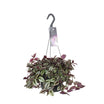
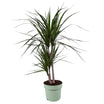

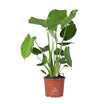


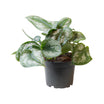







Best Bathroom Plants: Plants That Thrive in Humid Bathrooms
A bathroom can be a surprisingly good place for houseplants. Warm, slightly shaded, and often humid after a shower. For many species, that combination is close to their natural habitat. But not every plant enjoys it.
The most important point first: a bathroom without natural light is not a suitable environment for real plants. The Royal Horticultural Society clearly states that bathrooms without windows are not appropriate for living plants. Humidity does not replace light.
However, if your bathroom has a window or consistent daylight, bathroom plants can thrive there. Many tropical houseplants benefit from stable warmth and increased humidity.
Why Some Plants Love Bathrooms
Many common houseplants originate from tropical or subtropical regions. In their natural environment they grow in warm, humid conditions rather than dry indoor air.
Bathrooms can therefore recreate parts of that environment, especially after showers or baths.
Still, a plant-friendly bathroom needs three things:
- Natural daylight
- No constant waterlogging
- Some air circulation
Even the most tolerant plant will eventually struggle in a dark, damp corner.
The Best Bathroom Plants for Humidity and Low Light
Sword Fern
The Sword Fern (Nephrolepis Green Lady) is practically a textbook bathroom plant. The Royal Horticultural Society specifically lists Boston ferns as suitable for bathrooms because they enjoy warmth and humidity.

Why it works in bathrooms
Ferns dislike dry air. That is why they often struggle in living rooms during winter heating season. Bathrooms naturally provide the humidity they need.
A bright bathroom with indirect light is therefore an excellent environment for this plant.
What to watch out for
- Keep the soil slightly moist
- Avoid direct sunlight
- Ensure good drainage
Peace Lily Diamond
The Peace Lily (Spathiphyllum Diamond) is another plant frequently recommended for bathrooms. The Royal Horticultural Society notes that bathrooms are ideal environments for peace lilies, thanks to their warm temperatures and moderate humidity.

Photo: Maria Elizabeth (Unsplash)
The Diamond variety adds striking variegated foliage to this already elegant plant.
Why it works in bathrooms
Peace lilies tolerate lower light conditions better than many other plants and benefit from increased humidity.
This makes them well suited for:
- smaller bathrooms
- rooms with indirect light
- spaces with slightly humid air
What to watch out for
Keep the soil evenly moist but not waterlogged. In very dark corners the plant may survive, but growth and flowering may slow down.
Butterfly Palm
The Butterfly Palm (Dypsis lutescens) can also work very well in bathrooms with sufficient light. The Royal Horticultural Society notes that many indoor palms benefit from humid environments, which bathrooms often provide.

Why it works in bathrooms
Higher humidity helps prevent dry leaf tips, which are common in dry indoor air.
If your bathroom has:
- a window
- bright indirect light
- enough space
the Areca Palm can thrive there.
What to watch out for
Palms still require light. Without sufficient daylight they will not grow properly. Also avoid soggy soil.
Plants That Are Less Ideal for Bathrooms
Some plants tolerate low light but do not necessarily enjoy humidity.
A good example is the Snake Plant (Sansevieria Trifasciata). While it tolerates low light, horticultural sources describe it as better suited to typical indoor conditions with lower humidity rather than consistently damp environments.
It can survive in bathrooms, but it is not among the strongest humidity-loving choices.
How to Choose the Right Bathroom Plant
Not every bathroom is the same. Consider these scenarios.
Bright Bathroom With a Window
Plants that prefer humidity and indirect light perform best here, including:
Sword Fern
Peace Lily
Butterfly Palm
Small Bathrooms
A Peace Lily is often the most practical option because it remains compact while tolerating moderate humidity.
Very Humid Bathroom
Ferns and peace lilies benefit the most from humidity. Palms also appreciate it but require stronger light.
Care Tips for Bathroom Plants
Humidity alone does not eliminate plant care.
Do not automatically reduce watering
Even in bathrooms the soil should be checked regularly. Humid air does not replace water in the soil.
Light is still essential
Without daylight, plants will eventually decline.
Avoid extreme conditions
Tropical plants prefer warmth but not sudden drafts or dry heating air.
Keep leaves clean
Mineral deposits and dust can accumulate in bathrooms. Wiping leaves occasionally helps plants photosynthesize efficiently.
Not every bathroom has a window. Still, some resilient plants can cope surprisingly well with low light. In our article about plants for bathrooms without windows, we introduce suitable species and share tips for darker spaces.

Photo: Clay Banks (Unsplash)
Bathroom Plants FAQ
Do bathroom plants improve air quality?
Houseplants can contribute slightly to indoor air quality by absorbing small amounts of carbon dioxide and releasing oxygen during photosynthesis. However, research suggests that their effect in typical homes is limited. The main benefits of bathroom plants are aesthetic, psychological, and humidity tolerance, rather than significant air purification.
Where should plants be placed in a bathroom?
Placement matters more than people expect. Ideally, plants should be positioned:
- near a window with indirect light
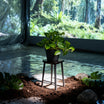
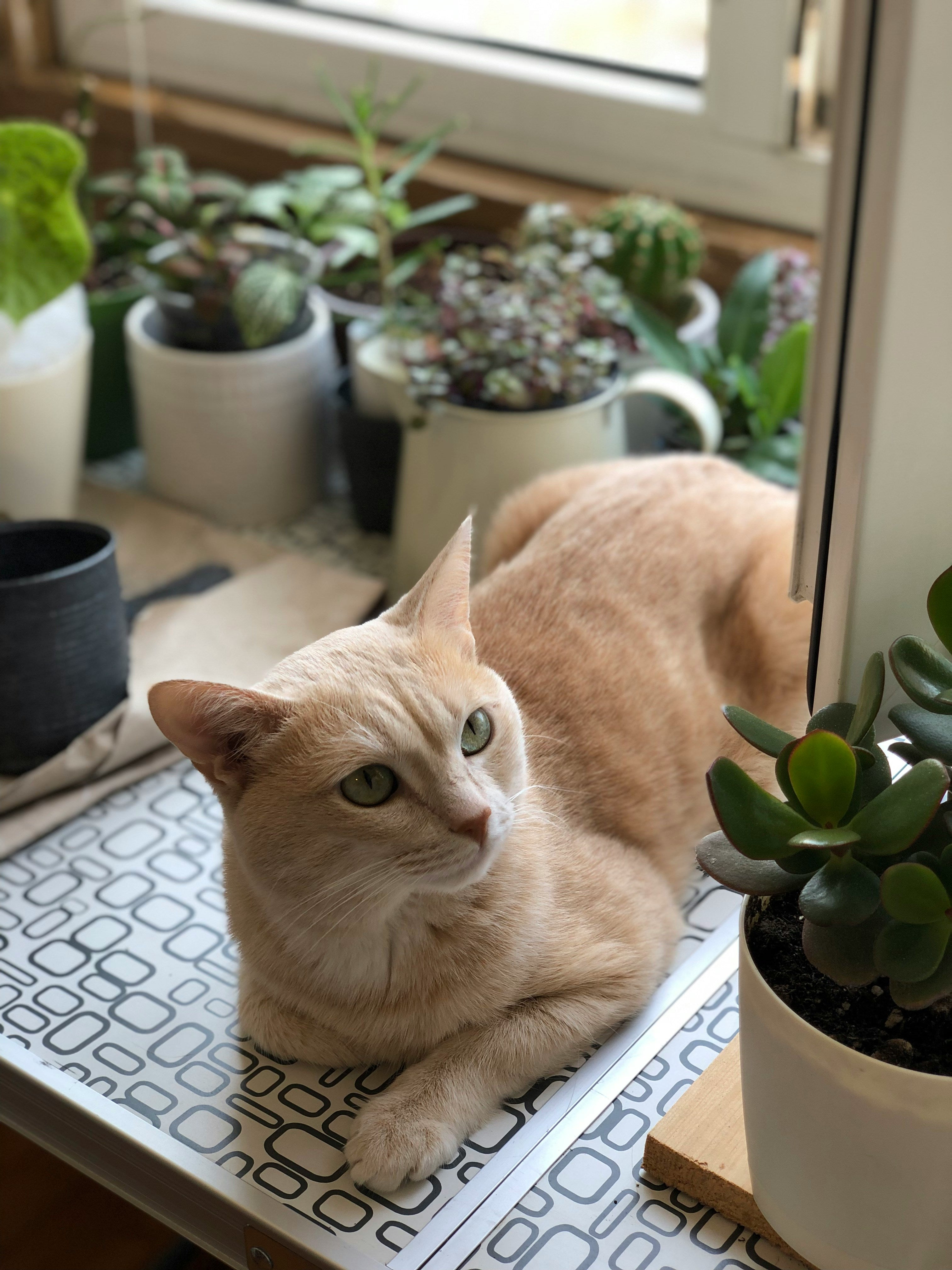
- on a shelf or stool away from direct water splashes
- where there is some airflow, such as near the door
Avoid placing plants directly next to heaters or in constantly wet areas such as shower ledges.
Are bathroom plants safe around steam and temperature changes?
Most tropical houseplants tolerate bathroom steam well because they originate from warm, humid climates. However, sudden temperature fluctuations can stress plants. Very hot steam followed by cold drafts from open windows can damage sensitive species.
Stable conditions are usually more important than humidity alone.

Photo: Gleb Paniotov (Unsplash)
Can bathroom plants develop mold because of humidity?
High humidity can encourage mold growth on soil if air circulation is poor.
To prevent this
- use well-draining potting soil
- avoid overwatering
- occasionally open the door or window to ventilate
Removing dead leaves and debris from the soil surface also helps reduce mold.
How do you know if a bathroom is too dark for plants?
A simple rule: if you can comfortably read a book during the day without turning on a light, most low-light houseplants can survive there.
If the room requires artificial lighting even during daytime, the space is usually too dark unless grow lights are added.
Do bathroom plants need fertilizer?
Yes, but less often than plants in bright rooms. Lower light means slower growth. Most bathroom plants only need light fertilization during the growing season (spring and summer) and little to none during winter.
Can small bathrooms support larger plants?
Yes, but scale matters. Large plants can overwhelm small bathrooms visually and restrict airflow. Compact species such as peace lilies or smaller ferns usually work better in tight spaces, while palms need more room and light.
Photo: roman raizen (Unsplash)

Leave a comment
This site is protected by hCaptcha and the hCaptcha Privacy Policy and Terms of Service apply.