













Houseplants that thrive in low light – that’s the solution for everyone who wants to bring more green into their home but doesn’t have those floor-to-ceiling south-facing windows. Especially in hallways, bedrooms, stairwells, or bathrooms, you need tough species that stay healthy in the shade and keep growing in the long run. Let us show you which plants really tolerate low light, how to care for them properly, and which myths about so-called “shade plants” deserve to be debunked.
What does “low-light houseplant” really mean?
When we talk about “low-light plants,” that doesn’t mean they can survive without light at all. It simply means they can handle less brightness than your average sun-loving species. These plants tolerate partial to full shade, but of course, they still need light for photosynthesis.
In practice, “low light” conditions might mean:
- North-facing windows or courtyard windows with soft, indirect light
- About two to three meters away from a window, where brightness drops noticeably
- Bathrooms or hallways with limited but existing natural light
- Rooms with frosted glass that lets in diffuse daylight
Important: even the best low-light plants can’t survive in complete darkness. In unlit rooms, they will slowly decline over time, no matter how tough they are.
A pro tip: Use a lux meter app on your smartphone to estimate brightness. Values around 500 to 1,000 lux usually count as “low-light” or “shady indoor” conditions.
The best low-light houseplants for your home
We know exactly which tough plants are built for brown-thumb candidates, dark bathrooms, and shadowy old apartments. Pothos, ZZ plant, snake plant, spider plant, and peace lily all laugh in the face of darkness.
These sadplant survivors were made for city life: small windowsills, gloomy corners, and even bathrooms without real windows. No fragile greens that give up on you at the first sign of neglect.
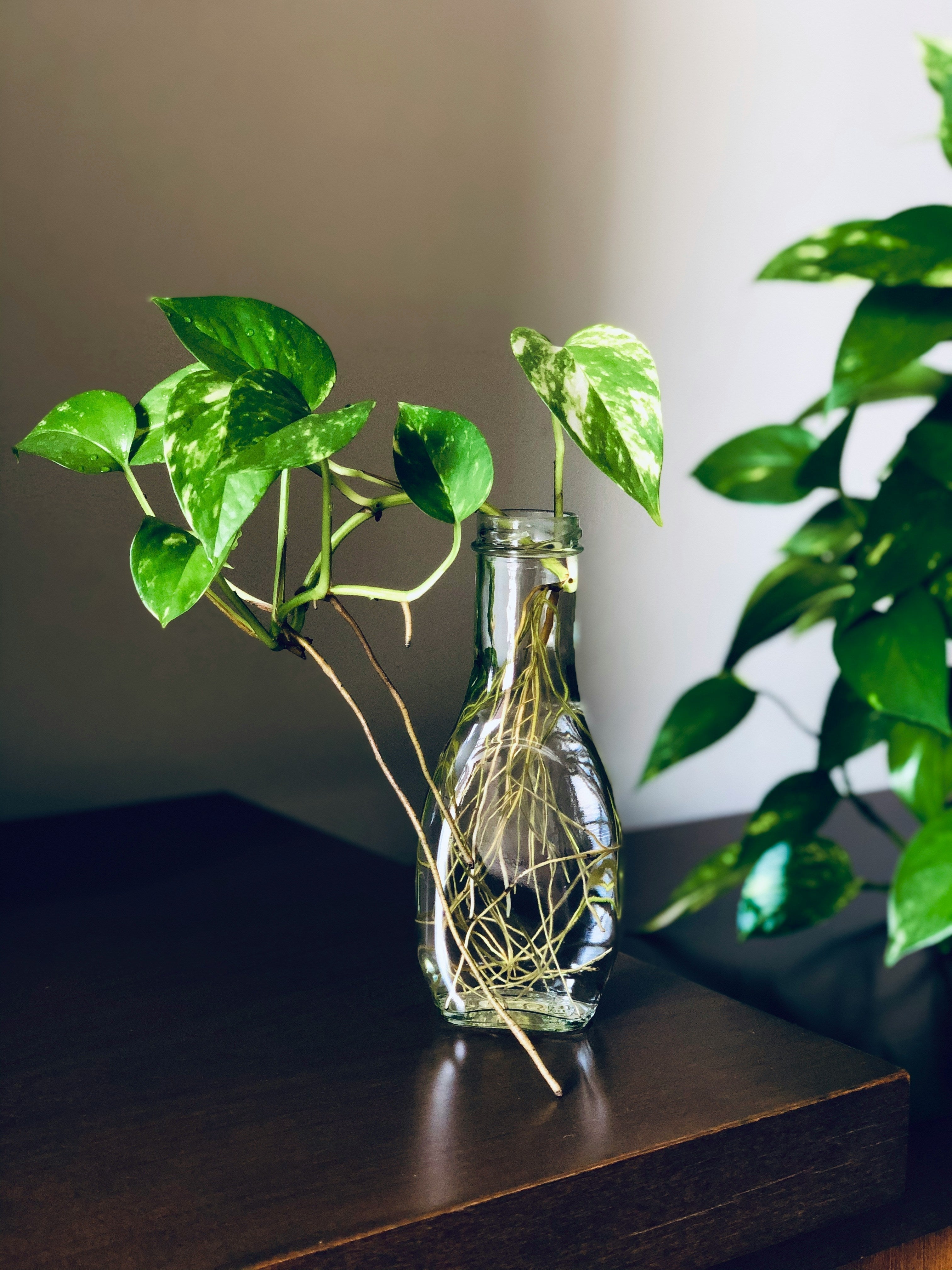
Pothos (Epipremnum aureum)
The devil's ivy or pothos is one of the most popular low-light houseplants and works beautifully on shelves, sideboards, or hanging planters.

Photo: Mehdi Shahbazi/Unsplash
Light:
Handles partial shade to shade, fine even a few meters from the window. Panaché varieties with yellow or white streaks need a bit more brightness to keep their pattern. Direct sun, though, burns the leaves.
Water & care:
Let the top layer of soil dry before watering again. Avoid waterlogging—root rot is deadly here. In dark corners or winter, watering every 10–14 days is enough. Fertilize moderately every 4–6 weeks during active growth.
In the bathroom:
Loves humidity, so it’s perfect for bathrooms with some daylight—window, skylight, or frosted glass is enough. It usually thrives even better than in the living room.
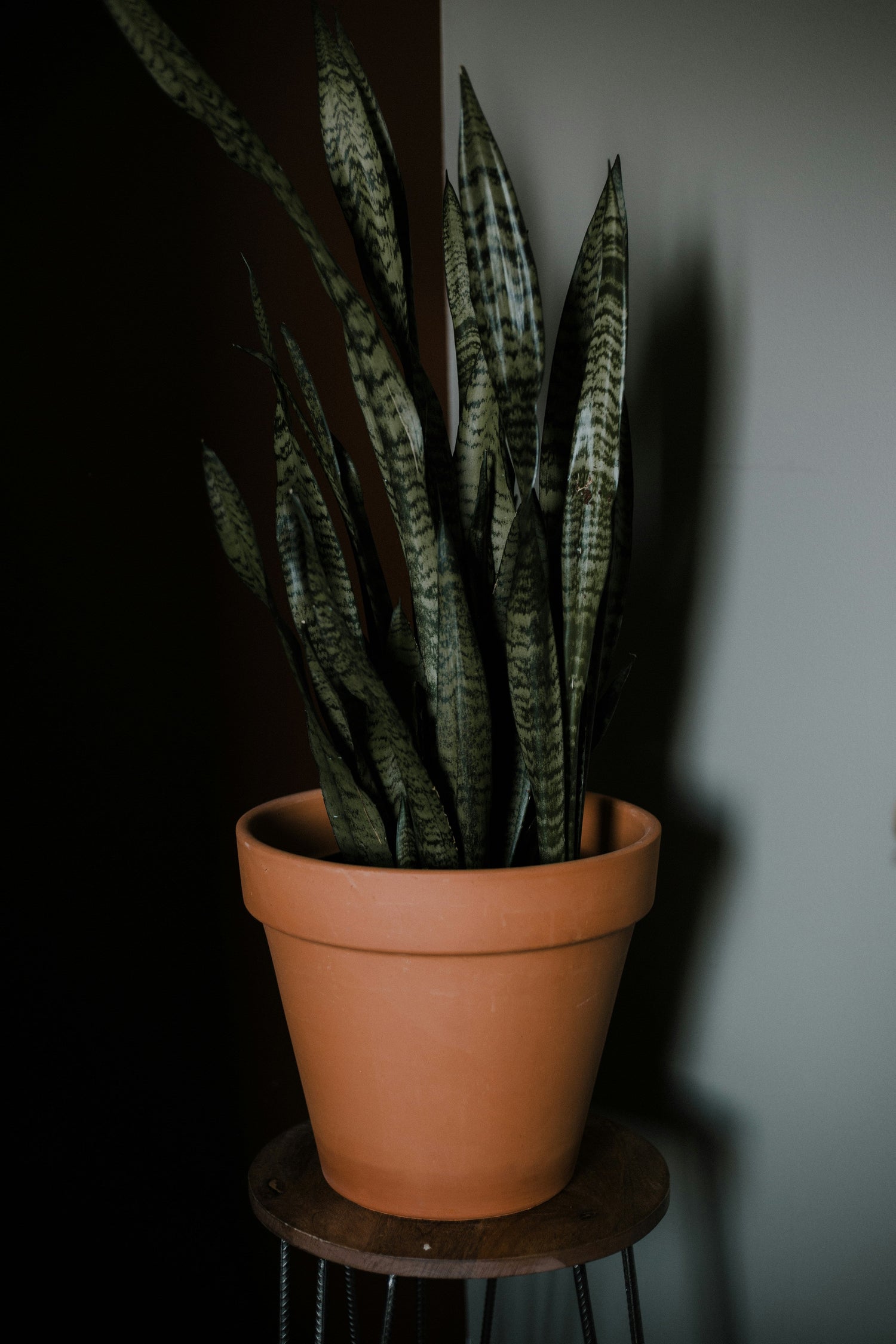
Snake plant (Dracaena trifasciata)
The snake plant, also known as mother-in-law’s tongue, is one of the toughest plants out there. Its sharp, upright leaves practically dare you to kill it. Spoiler: you won’t.

Photo: Priscilla Du Preez 🇨🇦/Unsplash
Light:
Tolerates both partial shade and shade. It’ll even grow (slowly but steadily) in your darkest hallway corner. Full sun? Burns it in no time. Ideal for Berlin-style north-facing windows and dry radiator air.
Water & care:
A succulent at heart, she stores water in leaves and rhizomes. Let the soil dry out completely before watering again, about every 2–3 weeks in summer. Sparse fertilizer every few months is plenty.
In the bathroom:
Handles humidity fine as long as you don’t drown it. Ventilate occasionally. For windowless bathrooms, you’ll need LED grow light—otherwise, even this champ gives up.
Peace lily (Spathiphyllum Diamond)
The peace lily is the rare plant that not only tolerates shade but flowers in it. Its white bracts scream “Instagram-ready” while your other plants are already giving up.

Photo: Steven Weeks/Unsplash
Light:
Prefers shade to partial shade. Medium, indirect light keeps it blooming. In full sun, its leaves brown at the edges. In very dark corners, it stops flowering but still grows reliably.
Water & care:
Keep the soil lightly moist at all times but never soggy. Too much dryness causes crispy tips. Ideal temperature: 18–25°C. Avoid dropping below 15°C. Water less in winter.
In the bathroom:
Loves humidity—it’s basically a tropical spa guest. Perfect for slightly dim bathrooms with a sliver of daylight. Ventilate after long showers to keep mold away.
ZZ plant (Zamioculcas zamiifolia)
The ZZ plant might just be the most indestructible houseplant ever. It shrugs off drought, shade, and neglect like nothing happened.

Photo: Nicolas Solerieu/Unsplash
Light:
Thrives in shadows, though more light makes it grow faster. Avoid direct sunlight.
Water & care:
Stores water in thick rhizomes, so water only when the soil is completely dry. Too much water = instant root rot. Light fertilizer every few months if you feel generous.
In the bathroom:
Totally fine with humidity and minimal light—but for windowless bathrooms, add LED light for long-term survival.
Spider plant (Chlorophytum comosum)
The spider plant is the ultimate beginner’s low-light hero. Its arching leaves spill over the pot like your to-do list.

Photo: Nithin M R/Unsplash
Light:
Prefers partial shade and indirect light. Variegated types want slightly more brightness. It’ll survive dim spaces but grows more slowly.
Water & care:
Water once or twice per week in summer; less in winter. Let the topsoil dry before the next watering. Avoid extremes—neither bone-dry nor swampy.
In the bathroom:
Loves humidity and tolerates cool temperatures. Even a bit of diffuse light through a tilted window is enough. No window? Use LED lighting and it’s fine.
When plant lights make sense
In very dark corners or windowless bathrooms, grow lights are your only option. Full-spectrum LEDs (400–700 nm, covering blue, red, and white) on a 10–14-hour timer keep your plants alive and thriving—yes, even flowering peace lilies.
Watering in low light: less is more
Slower growth = less evaporation. Always check: if the top layer is dry, then water. Snake plant and ZZ plant prefer drought; peace lily likes it moist, not soaked.
Fertilizing: go easy
Less light means less growth and lower nutrient demand. Fertilize lightly every few months in spring and summer. In winter—don’t bother. Overdoing it burns roots quickly.
Placement and heating
Near a window, even a north-facing one, is fine. Avoid radiators, especially for humidity-loving plants like peace lilies—brown tips guaranteed. Keep at least 1 meter away from heat sources.
Rotate regularly
Plants grow toward light—just like you toward the weekend. Without rotation, you get lopsided growth. Turning the pot weekly keeps them compact and balanced.
Bathroom plants: what really works?
Low-light plants are ideal bathroom residents.
Bathrooms with some light: A window, skylight, or frosted glass is enough—just ventilate regularly.
Windowless bathrooms: No plant can live forever in total darkness. Light is non-negotiable. Without it, stems stretch, leaves yellow, growth stops. LEDs help, but natural light wins.
FAQ: Houseplants that survive low light
Dust them off!
Dust blocks precious light. Wipe monthly with a damp microfiber cloth (no soap).
Best soil mix? Well-draining soil is key—mix peat-free cactus soil with perlite to avoid root rot.
Use mirrors cleverly:
Light walls and mirrors reflect extra brightness—position your plants to catch it.
Signs of too little light:
Long, thin stems, pale new leaves, or leaning toward the window. Move closer to light or add a grow lamp.
The darkness grows green
Even your darkest corners don’t have to stay empty. With the right low-light plants, you can finally bring green into the gloom. Slow-growing but steady, thriving even under dark winter skies.

Leave a comment
This site is protected by hCaptcha and the hCaptcha Privacy Policy and Terms of Service apply.